Wednesday, February 17, 2016

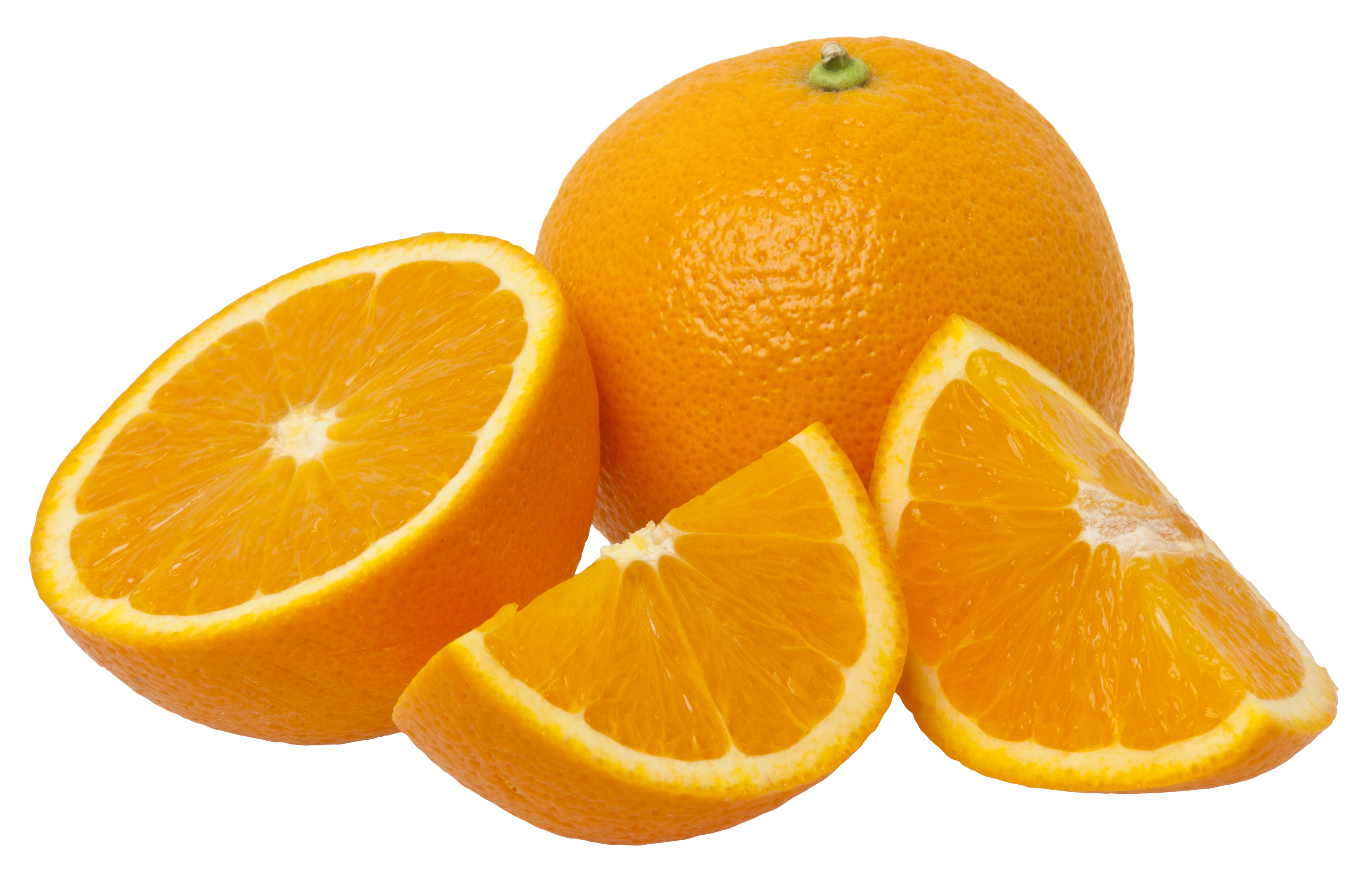
Orange Fruit Salad with Maple-Glazed Ginger Pecans

   ... Apparently this high-fiber salad had been serving the family healthy and happy benefits for a long time! And it makes sense. The citrus fruits are full of vitamin C and bioflavonoids. The apples contain pectin, which lowers cholesterol and gives your intestines a nice sweep. Pecans contain lots of essential fatty acids that benefit brain and heart health. Throw in the Vermont maple syrup, and you have a sweet, light fruit salad that is perfect for a hot summer day, satisfying but not too heavy.


   4 servings
3 to 4 navel oranges
1 green apple, washed, cored and diced
1 red apple, washed, cored and diced
½ cup freshly squeezed orange juice
1 cup plain soy or coconut yogurt
2 tablespoons honey
½ cup pecan halves
¼ cup maple syrup
2 tablespoons chopped fresh ginger

   1. Peel 3 of the oranges and reserve 1 whole peel for garnish. Separate the sections and cut out any seeds and discard them. Cut the oranges into small chunks and put them in a strainer set over a pitcher or bowl to catch the juice while you prepare the rest of the fruit.
   2. Put the diced apples and orange pieces into a bowl. Pour the orange juice into a measuring cup you need ½ cup for the dressing. If you are short, squeeze the remaining orange until you have ½ cup. Whisk the yogurt and honey into the orange juice until smooth and pour it over the fruit. Cover with plastic wrap and refrigerate for at least 2 hours to allow the flavors to blend.
   3. Meanwhile, line a small baking sheet with parchment paper. Combine the pecans, maple syrup and ginger in a small saucepan and heat over medium heat. Cook, stirring constantly, until the syrup is sizzling and begins to turn sticky and golden brown. Keep a close watch as the syrup can burn easily. When the syrup is very thick and dark, pour the nuts out onto the lined baking sheet, separate with a fork and let cool completely.
   4. Cut the reserved orange peel into four ½-inch by 2-inch strips. To serve, divide the fruit salad among 4 serving bowls and top each with a few glazed pecans. Garnish each bowl with a twisted orange peel and serve immediately.

   Oranges are famous for their high vitamin C content, one of the most powerful antioxidants and a well-known immune system support. This delicious citrus fruit also has a wide array of phytonutrients like flavanones, anthocyanins and polyphenols. These antioxidant nutrients help protect you from the ravages of free radicals, thus protecting cells and DNA from the mutations that cause cancer. Vitamin C also supports the cardiovascular system, preventing the oxidation and hardening of cholesterol, risk factors in stroke and heart attack.

Monday, January 11, 2016

Saffron Ginger Fish Soup

   ...It was so soothing to my stomach because of the ginger. The saffron creates a wonderful, bold, yellow colored broth, which I mistook for curry at first glance. It turns out theres more than one way to create a colorful broth! Saffron also has medicinal properties, one of which is that it promotes circulation. The hostess told me that it was her fathers favorite soup and that she believed this specific soup had benefited his heart health. The saffron and ginger activate blood circulation, making this the perfect food for supporting someone with a heart condition.


   4 servings 
3 cups chicken stock
2 cups white wine
1 3-inch piece galangal root or fresh ginger, sliced
1 teaspoon saffron threads
2 teaspoons almond oil
1 onion, chopped
1 carrot, chopped
1 stalk celery, chopped
2 pounds firm boneless, skinless, white fish fillets, such as cod or bass, cut into cubes
2 tablespoons arrowroot powder
2 tablespoons water
Salt and freshly ground black pepper. Parsley sprigs, for garnish.

   1. Put the stock, wine, galangal, and saffron threads into a large saucepan and bring to a boil over medium-high heat. Reduce the heat to medium-low and simmer for 20 minutes.
   2. Meanwhile, heat the oil in a skillet over medium heat and add the onion, carrot, and celery; cook until softened, 3 to 4 minutes. Remove from the heat.
   3. Remove the galangal from the broth and discard. Add the fish and cooked vegetables to the simmering broth and cook for 2 minutes. In a small bowl, stir the arrowroot together with 2 tablespoons of water until dissolved; slowly stir the mixture into the soup and add salt and pepper to taste. Simmer for 2 to 3 minutes, until fish is cooked through and broth is thickened.
   4. Garnish with the parsley and serve the hot soup immediately.

   Famous in the West for relieving nausea, ginger has been used by Chinese doctors since ancient times to fire up vitality and cure body aches, such as arthritis, headaches, menstrual cramps and muscle soreness. Ginger also known as galangal or galanga has been found to contain geraniol, which may be a potent cancer fighter. It also possesses antiinflammatory properties that help alleviate pain and prevent blood clots. People on blood thinners and other medications should take extra precaution with this natural blood thinner.

Monday, December 28, 2015

Edamame, Seaweed and Tofu Salad

   It is a light, low calorie salad, yet highly nutritious. The seaweed helps reduce inflammation and is an important source of trace minerals. The real star of this salad is the edamame, which is filled with protein and cholesterol lowering properties and it has also been found to help prevent breast and prostate cancer.


   4 servings
DRESSING
⅓ cup rice vinegar
1½ tablespoons walnut oil
1½ teaspoons low-sodium soy sauce
1 teaspoon grated fresh ginger
½ teaspoon toasted sesame oil
Small pinch cayenne pepper
SALAD
1 pound extra-firm tofu, cubed
½ small daikon radish, peeled and sliced into matchsticks
¼ ounce wakame seaweed, soaked in water for 1 hour
1½ teaspoons sesame seeds
2 cups frozen shelled edamame, thawed, rinsed, and patted dry
1 tablespoon chopped fresh cilantro
   1. To make the dressing, in a large bowl, whisk the vinegar, walnut oil, soy sauce, ginger, sesame oil and cayenne together until well combined. Gently fold in the tofu and radish until coated and set aside to marinate for 30 minutes.
   2. Meawhile, bring a small saucepan of water to a boil and add the seaweed; boil for 15 minutes, until soft and drain well. Put the sesame seeds in a small, dry skillet over medium low heat and toast, swirling the pan, for about 3 minutes, or until golden and fragrant. Pour the seeds out onto a plate and cool.
   3. Remove the tofu from the marinade and set aside on a plate. Add the drained seaweed and edamame to the dressing and toss well to combine. Gently fold the tofu back into the salad until evenly combined and transfer it to a serving plate.
   4. Sprinkle the toasted sesame seeds over the top, garnish with chopped cilantro and serve immediately.

    Often found floating in miso soup, wakame looks like slippery spinach, but as you see here, it can also easily become a salad. It is a diuretic, which means it helps reduce the amount of water in the body. Because it prevents bloating and is packed with osteoporosis preventing calcium and magnesium, wakame is sometimes referred to as the womens seaweed. But the wakame benefits dont end there this seaweed is also high in important trace minerals and is one of the few non animal sources of vitamin B12.

Sunday, December 27, 2015

Stuffed Sardines with Pesto

   Sardines happen to be the cleanest and the healthiest seafood available; they contain the lowest amount of mercury and the highest content of omega-3 fatty acids. This dish is a powerful inflammation fighter and contains plenty of other benefits for your longevity.


   4 servings
STUFFING
1 tablespoon grapeseed oil
1 cup coarse corn grits (cornmeal)
2 tablespoons dried cranberries, soaked in water and chopped
SARDINES

12 medium fresh whole sardines
2 tablespoons olive oil
1 teaspoon Heart Spice Blend, (cinnamon, fennel, clove, star anise, white pepper, parsley, ginger, cayenne, and turmeric)
Salt and freshly ground pepper
Fresh mint leaves, for garnish
PESTO

Small handful (about 1 ounce) fresh basil leaves
Small handful (about 1 ounce) fresh flat-leaf parsley leaves
1 clove garlic, crushed
¼ cup pine nuts, lightly toasted
⅓ cup olive oil
1 lemon, cut into wedges, for garnish

   1. Preheat oven to 400°F.
   2. To make the stuffing, heat the grapeseed oil in a skillet over medium heat. Stir in the grits and cook, stirring, until golden brown. Stir in the cranberries, remove from the heat, and cool to room temperature.
   3. To prepare the sardines, slit each sardine along the belly with a sharp knife and carefully remove the spine; wash and pat the sardines dry. Fill the sardine cavities with the stuffing and transfer them to a baking sheet. Drizzle olive oil over the sardines and sprinkle some herb seasoning over each one. Bake until the fish is cooked through, 10 to 12 minutes. Add the Heart Spice Blend 1 minute before removing from the oven. Remove from the oven and let stand about 5 minutes before serving.
   4. Meanwhile, to make the pesto, put the basil, parsley, garlic, pine nuts, and olive oil into a blender or food processor and puree until smooth.
   5. Transfer the sardines to a serving dish and drizzle the pesto over them. Garnish with lemon wedges.

   With their high levels of omega-3 fatty acids, sardines protect your heart and brain health. They are also high in phosphorus, calcium, and potassium, all of which help support your bone health and regulate blood pressure. Small fish like sardines tend to have lower levels of mercury, so they are a smart choice for your health.

Tuesday, December 15, 2015

Banana Buckwheat Pancakes

   Pancakes in a longevity cookbook? Absolutely, as long as the main ingredient is buckwheat! Buckwheat makes this Southern recipe quite healthy with its high content of fiber and cholesterol lowering properties. 


   4 servings
¾ cup buckwheat flour
½ cup gluten-free rolled oats
½ cup cornmeal
1 teaspoon baking powder
½ teaspoon baking soda
1 banana
2 tablespoons vinegar
2 cups almond milk
½ cup fresh blueberries
1 tablespoon grapeseed oil
Maple syrup, for serving


   1. In a medium bowl, whisk the flour, oats, cornmeal, baking powder, and baking soda together until combined. In a small bowl, mash the banana with the vinegar until smooth; whisk in the almond milk until well combined. Add the wet ingredients to the flour mixture and stir until just combined; do not overmix. Gently fold in the blueberries.
   2. Heat the oil in a large nonstick skillet or griddle over medium heat. Ladle the batter, about ½ cup per pancake, onto the hot pan. Cook for 2 to 3 minutes, until bubbles appear on the surface and the underside is golden brown. Flip the pancakes and continue cooking until set and golden brown on the bottom, about 2 minutes more. Transfer the pancakes to a plate and cover to keep warm. Continue making pancakes until the batter is used up.
   3. Serve the pancakes warm with maple syrup.

Buckwheat is not really a grain, but actually a fruit seed. A great source of fiber, manganese and magnesium and packed with B vitamins, buckwheat is also a good quality protein, containing the eight essential amino acids, including lysine, which is usually lacking in grains. With their rich contents of magnesium and fiber, whole grains like buckwheat can significantly lower your risk of cardiovascular disease, obesity, insulin resistance and type 2 diabetes.

Monday, December 14, 2015

Millet Pilaf

   Millet is an under appreciated grain in America, but very popular with the centenarians of China. If you have never tried this little yellow grain, you are in for a treat! Millet is nutritionally richer than wheat and has the bonus of being gluten free. This recipe is a popular one among many centenarians, which is not surprising, as it is a nice balance of nutrients and healthy oils with beneficial herbs and spices.


    4 servings
1¼ cups vegetable stock
1 onion, chopped
1 clove garlic, minced
1 cinnamon stick
2 bay leaves
1 teaspoon ground cardamom
1 cup millet
¾ cup frozen peas, thawed
1 cup frozen fava beans, thawed
½ cup pumpkin seeds
2 tablespoons finely chopped fresh parsley
1 tablespoon finely chopped fresh mint
   1. Heat ¼ cup of the vegetable stock in a large saucepan over medium heat. Add the onion and garlic and sauté for 4 to 5 minutes or until softened. Add the cinnamon stick, bay leaves, and cardamom and cook for a few more minutes. Remove the cinnamon stick and bay leaves and discard. Stir in the millet and remaining vegetable stock and bring to a boil. Reduce the heat to medium low, cover and simmer for 20 minutes. Check occasionally and add water if the pan is dry.
   2. Stir the peas and fava beans into the millet, cover, and cook for another 5 to 7 minutes. Uncover the pan and fluff the millet with a fork. Stir in the pumpkin seeds, parsley and mint and transfer the millet to a serving bowl.
   3. Serve warm or at room temperature.
   Though technically a seed, millet is categorized as a grain from a culinary perspective. A good source of magnesium and fiber, millet can significantly lower the risk of cardiovascular disease, obesity, insulin resistance and type 2 diabetes. Millet contains a phytonutrient called plant lignans, which may help protect against breast cancer and heart disease. All this and gluten free, too!

Wednesday, December 2, 2015

Halibut Crudo

   Crudo means raw in Italian and in the fishing villages of Italy, thin slices of raw fish are often served with whatever is on hand such as olive oil, lemon and basil. The raw fish is marinated and cooked by the citric acid of lemon juice. It is then seasoned with herbs and spices that make the fish easily digestible not to mention delicious. No wonder it has become wildly popular in hip restaurants throughout the US!


   4 servings
1½ pounds very fresh, sushi-grade skinless, boneless halibut fillet
2 tablespoons freshly squeezed lemon juice
1 tablespoon freshly squeezed ginger juice
1 teaspoon sea salt
¼ cup extra virgin olive oil
3 red radishes, thinly sliced
6 black olives, pitted and chopped
8 fresh basil leaves, chopped
1 small jalapeño pepper, sliced paper thin

   1. Cut the halibut fillet into very thin slices and transfer the slices to a shallow dish. Season the fish with salt and drizzle the lemon, ginger juice and 3 tablespoons of the olive oil over the top. Cover the dish with plastic wrap and let it marinate in the refrigerator for 30 minutes.
   2. Meanwhile, mix the radishes, olives, basil and remaining olive oil together in a small bowl. To serve, divide the radish mixture among 4 salad plates and arrange it on one half of each plate. Arrange one quarter of the halibut slices on the empty side of each plate, drizzle some of the marinade over the fish and garnish each plate with the jalapeno slices.

   While the omega rich halibut is the star of this recipe, basil plays an important supporting role in the flavor and healing benefits. Basil is filled with luteolin, a bioflavonoid that is considered one of the best protective substances of cell DNA from radiation. These potent antioxidants help combat the effects of aging and protect against cancer. Basil is a great herb to grow in a sunny kitchen window during the bright summer months, so you can have easy access to its tasty leaves while cooking.

Monday, November 30, 2015

Lemon Chicken with Artichoke Hearts

   This recipe prominently features artichokes, which are very high in potent antioxidants that support liver and gall bladder function while helping to prevent cancer. This simple and tasty chicken dish is quick to prepare and great for your health.


   4 servings
½ cup rice flour
1 teaspoon salt
¼ teaspoon freshly ground pepper
4 boneless, skinless chicken breasts
¼ cup extra virgin olive oil
2 cups chicken broth
 Juice of 1 lemon
1 (10-ounce) jar marinated artichoke hearts, drained and coarsely chopped
2 tablespoons fresh minced sage leaves
Cooked Brown Rice with Pine Nuts, for serving
Fresh vegetables, for serving

   1. Combine the flour, salt, and pepper in a resealable plastic storage bag. Place 1 chicken breast at a time in the flour mixture, seal the bag and shake to coat, transfer to a plate. Repeat with the remaining chicken.
   2. Heat the oil in a large nonstick skillet over medium heat. Add the chicken and cook, turning once, until browned and cooked through, about 8 minutes total. Transfer the chicken to a warmed platter and cover to keep warm.
   3. Add the broth and lemon juice to the same skillet; bring to a boil. Boil until the liquid is reduced to about 1 cup. Stir in the chopped artichokes and simmer until very hot.
   4. Transfer the chicken to 4 serving plates and pour the sauce over. Serve with brown rice sprinkled with pine nuts and fresh vegetables.

   Artichoke native of the Mediterranean, the artichoke belongs to the thistle tribe of the sunflower family. The artichoke vegetable that we eat is actually the plants flower bud. Artichoke is considered a potent liver protector due to its content of a flavonoid called silymarin, which has potent antioxidant properties. Nutritionally, the artichoke is a good source of vitamin C, folate and potassium. This diuretic vegetable also helps improve digestion and reduce cholesterol levels.